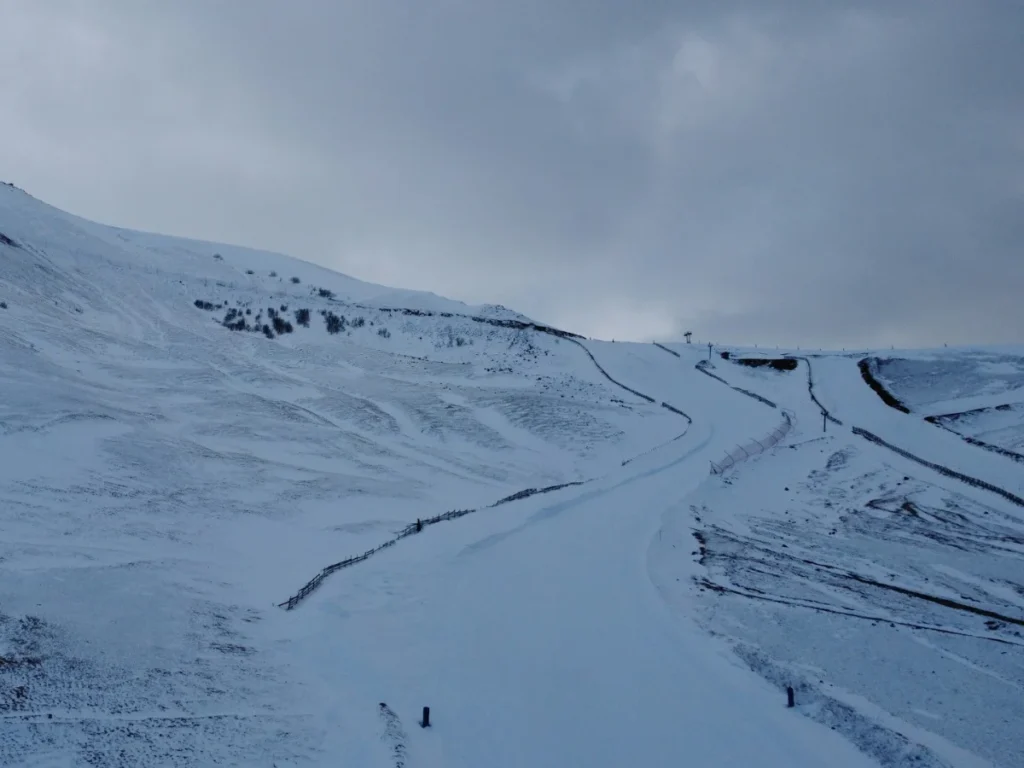
When winter comes with heavy snow, traveling on roads can quickly become difficult and unsafe. Snow and ice can cover the pavement, slow down traffic, and even block access to homes, businesses, and emergency services. This is where snow plow trucks play an important role. By clearing snow from roads and pushing it away from the driving surface, snow plow trucks help keep transportation moving during the winter months.
But a snow plow truck is more than just a truck with a blade attached to the front. Its working parts are exposed to snow, ice, pavement, and constant impact, which means wear is an unavoidable issue during regular operation. So, what exactly is a snow plow truck, why is it so important for winter road maintenance, which parts wear out the fastest, and how can their service life be extended? Today, we will take a closer look at these questions and discuss some practical ways to improve the durability of snow plow wear parts.
What Is a Snow Plow Truck and How Does It Work?
Strictly speaking, a snow plow is an attachment rather than a complete vehicle. It is usually mounted on the front of a truck, although rear-mounted snow plows are also available for some applications. Therefore, a snow plow truck, in simple terms, is a truck equipped with a snow plow for removing snow and ice from roads and other outdoor surfaces.
The main working part of a snow plow is the blade. When the truck moves forward, the blade comes into contact with the snow and pushes it toward one side instead of lifting it away. The curved shape of the blade helps guide the snow away from the driving path, allowing the truck to clear a relatively wide area while moving forward. Modern snow plows can also be adjusted to different blade angles and heights, making them more suitable for different road conditions.
Snow plow trucks are commonly used after heavy snowfall, during ongoing snowstorms, or when snow has been compacted into ice and slush by traffic. In some winter maintenance operations, snow plowing is also used together with salt or other de-icing materials to improve road conditions.
Why Snow Plow Trucks Are Critical for Winter Road Maintenance?
In areas that receive heavy snowfall, keeping roads clear is an important part of winter road maintenance. Snow plow trucks help remove accumulated snow and ice, making roads more accessible and reducing the impact of severe winter weather on daily transportation. The importance of snow plow trucks can be seen in several aspects.
Keep Roads Passable
Heavy snow can quickly make roads difficult or even impossible to use. Regular snow plowing helps remove accumulated snow and restore a usable driving surface. This is especially important on major roads, residential streets, parking areas, and other places where snow can build up quickly during a storm.
Maintain Emergency Access
Snow-covered roads can also make it harder for emergency vehicles to reach their destinations. Keeping roads open allows ambulances, fire trucks, and other essential vehicles to travel when they are needed most. For this reason, snow removal is not simply about convenience, but also about maintaining access during severe winter conditions.
Reduce Disruption to Traffic and Logistics
Snow and ice can slow down traffic and make the transportation of goods more difficult. When roads are cleared in time, businesses, employees, delivery vehicles, and other road users can continue their normal activities with fewer interruptions. Therefore, effective snow removal helps communities and businesses maintain daily operations even during harsh winter weather.
Which Parts Wear Out Fastest on a Snow Plow Truck?
A snow plow works in a relatively harsh environment. During operation, its wear parts may come into contact with snow, ice, asphalt, concrete, gravel, and other materials. As a result, some components wear much faster than others. Among them, the cutting edge is usually the most important wear part because it stays in direct contact with the road surface during plowing.
Cutting Edge
The cutting edge is installed along the bottom of the moldboard and does most of the actual scraping work. It continuously contacts the road surface while removing snow and ice, so it is subject to both abrasion and impact. Common options include carbon steel, heat-treated or wear-resistant steel, rubber, poly, and carbide-insert cutting edges. For demanding applications, carbide inserts can provide much longer wear life than conventional steel edges.
Snow Plow Shoes or Runners
Snow plow shoes, also called runners in some designs, help support the blade and control its working height above the road surface. Because they can also contact or slide along the pavement, they gradually wear during operation. Different designs are available, including steel and carbide-enhanced wear shoes for applications where longer wear life is required.
Curb Guards and Other Protective Wear Parts
The ends and corners of a plow can experience additional impact and uneven wear, especially when the blade works close to curbs or other obstacles. Curb guards and similar protective components are used to protect these high-wear areas and help prevent premature damage to the cutting edge and moldboard. Some heavy-duty designs also use carbide or hardfacing to improve wear resistance.
Moldboard
Unlike the cutting edge, the moldboard is mainly a structural component that guides and rolls the snow to the side. It is not normally the first part that needs replacement, but its lower edges and other exposed areas can still suffer from wear and impact over time. For this reason, protecting high-wear areas of the moldboard is also important, especially for snow plows working under severe conditions.
How to Extend Snow Plow Wear Part Service Life?
Snow plow wear parts will inevitably wear during operation, but proper maintenance and material selection can help extend their service life. In particular, the following methods are worth paying attention to.
Inspect Cutting Edges Regularly
The cutting edge is one of the most heavily worn parts of a snow plow, so regular inspection is important. Check its remaining thickness and look for cracks, deformation, uneven wear, or other visible damage. Replacing a cutting edge before it becomes severely worn can help maintain proper plowing performance and prevent further damage to other components.
Choose the Right Wear Material for the Road Condition
Different working conditions require different wear materials. Road surfaces, snow and ice conditions, operating frequency, and the amount of abrasive material on the road can all affect wear rate. For example, a snow plow working frequently on paved roads with a large amount of sand or gravel may require better wear resistance than one used mainly for light snow on relatively clean surfaces.
Reduce Unnecessary Impact and Vibration
Snow plowing does not always involve soft snow. The blade may encounter packed ice, pavement irregularities, manhole covers, raised objects, or other obstacles during operation. These sudden impacts can accelerate wear and may even cause cracks or deformation. Proper operating speed, blade adjustment, and careful handling can help reduce unnecessary impact and vibration.
Use Hardfacing on Suitable Steel Components
When a steel component is structurally sound but its working surface wears too quickly, hardfacing can be a practical way to improve its service life. By applying a wear-resistant layer to the high-wear areas, the component can gain better resistance to abrasion without replacing the entire part. For suitable snow plow components, tungsten carbide hardfacing can be considered when higher wear resistance is required.
Can Tungsten Carbide Grits Improve Snow Plow Wear Resistance?
Yes. When a steel wear component is still structurally sound but its working surface wears too quickly, replacing the entire component is not always the only solution. For suitable applications, tungsten carbide hardfacing can be used to reinforce high-wear areas and improve resistance to abrasive wear.
Where Are Tungsten Carbide Grits Used?
For snow plow wear parts, tungsten carbide grits are generally applied to the high-wear areas of steel components, especially the bottom and outer side where the component is more likely to contact the road surface or abrasive materials. The carbide grits are bonded to the steel surface through a hardfacing process, forming a wear-resistant layer on the working area.
Why Is Tungsten Carbide Suitable for High-Wear Areas?
Tungsten carbide is well known for its high hardness and excellent resistance to abrasive wear. During snow plowing, wear does not always come from snow itself. The working parts may also contact pavement, ice, sand, gravel, and other abrasive materials. Therefore, adding tungsten carbide to the areas exposed to severe abrasion can help slow down material loss and extend the service life of the component.
What Is Hardfacing?
Hardfacing is a process of applying a wear-resistant material onto the surface of a base component to improve its resistance to wear. Instead of replacing the whole steel part, the worn or high-wear area can be reinforced with a harder material. Tungsten carbide grits are one of the commonly used materials for this type of wear protection.
When Should You Repair or Rebuild Instead of Replacing the Whole Part?
Hardfacing is worth considering when the main steel body is still in good condition, but a specific working area wears much faster than the rest of the component. In this situation, reinforcing the worn area can restore or improve its wear resistance without replacing the entire part.
This approach is especially practical when the component is large, expensive, or designed for repeated use. However, if the base steel has already suffered serious deformation, cracking, or structural damage, hardfacing alone may not be enough, and replacing the component can be more appropriate.
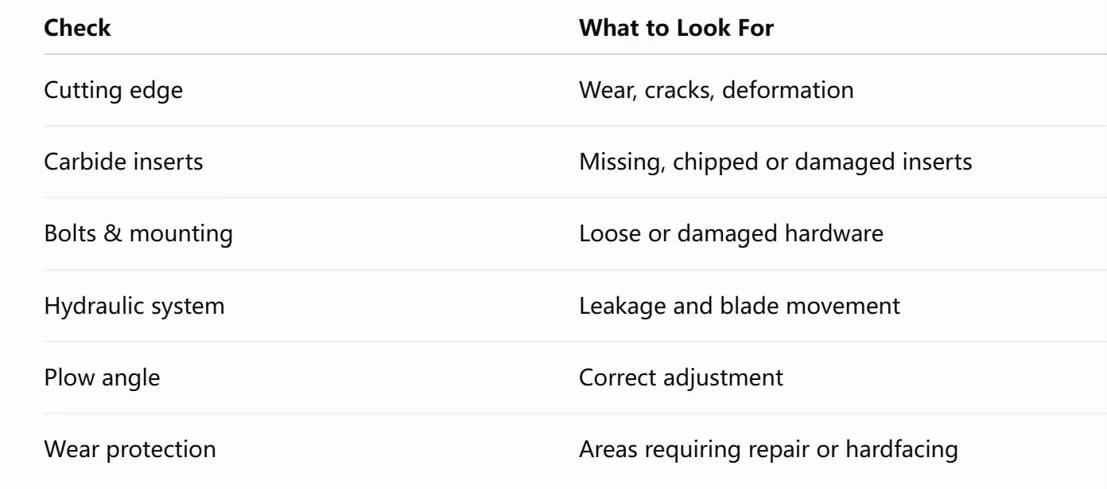
Snow Plow Maintenance Checklist Before Winter
Need to reduce wear on snow plows or other heavy-duty equipment? MCT supplies tungsten carbide grits for hardfacing and provides wear protection solutions for high-abrasion applications. Send us your application details, drawings, or current wear problem to discuss a suitable solution.