In metalworking, hardfacing and cladding are both surface overlay processes used to upgrade and protect metal components. Because they share similar welding techniques, many people tend to confuse the two or use the terms interchangeably. However, despite the physical similarities, they serve distinct purposes and rely on entirely different material characteristics.
Generally speaking, hardfacing applies a highly wear-resistant layer, often containing tough materials like tungsten carbide, to protect industrial parts from severe abrasion and extend their service life. Cladding, by contrast, focuses on bonding a specific material layer to the base metal primarily to provide corrosion resistance or alter the surface properties.
To clear up the confusion, we will first explore the basic concepts of hardfacing and cladding, and then break down their differences step by step. For a clear guide on how to choose the right overlay process for your equipment, just read on!
What Is Hardfacing?
Hardfacing is a metalworking process where a tough, wear-resistant layer is deposited onto a base metal component. Think of it as adding a heavy-duty shield to equipment that deals with severe friction, abrasion, and impact. By applying harder materials, most notably tungsten carbide, chromium carbide, or specialized powder metal alloys, to the surface, the structural integrity of the substrate is reinforced.
Main Purposes & Applications
The primary reason for applying hardfacing is to combat intense wear and tear. Industrial parts like valves, pump components, and heavy-duty drilling tools face harsh physical environments daily. Adding a hardened surface layer prevents premature failure and keeps operations running smoothly.
Because of its excellent strengthening properties, this process is heavily relied upon across a variety of demanding sectors. You will find hardfacing widely used in mining, agriculture, construction, oil and gas.
Common Hardfacing Techniques
There are several methods for applying these heavy carbide or metal deposits. The choice usually depends on the specific heat tolerance of the component, the form of the material (like specialized electrodes, continuously fed wire, or powder metal), and the required thickness of the overlay.
Traditional Welding
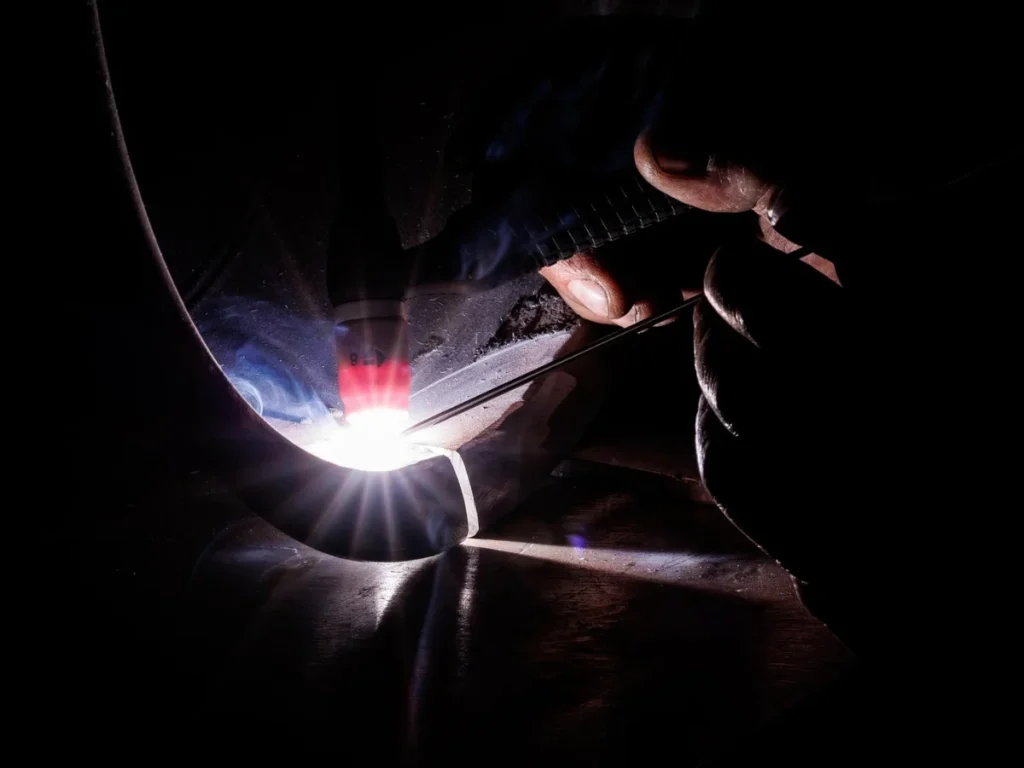
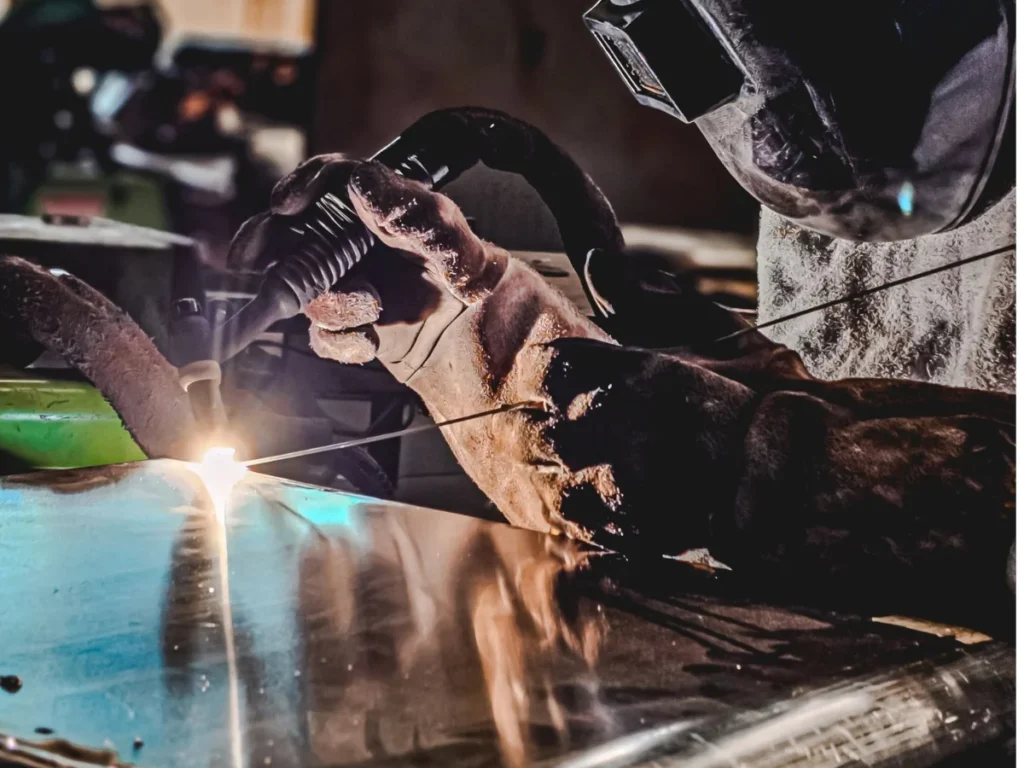
Welding methods, including manual arc welding, MIG (Metal Inert Gas), and TIG (Tungsten Inert Gas), are among the most standard approaches. Manual arc welding is especially ideal for repairing or reinforcing damaged parts because it creates a highly durable, strong bond. Moreover, traditional weld hardfacing is the go-to method when a very thick layer of wear-resistant material is required.
Laser Hardfacing
Laser technology offers distinct advantages over traditional welding. Because it operates with lower heat and lower dilution, it minimizes the dissolution of the carbides during the application. This makes laser hardfacing an excellent method when you need to achieve a very thin, precise overlay while preserving the core properties of the base material.
Thermal Spraying & Spray-Fuse
If the machinery part is highly sensitive to heat distortion, thermal spraying is the best fit. However, since thermal spraying is not a true welding process, the resulting bond strength is much lower compared to a welded or brazed overlay. Spray-fuse is another alternative, but it requires flame spraying followed by fusion using a torch, meaning it introduces more heat than standard thermal spraying.
Plasma-Transferred Arc (PTA)
Also known as powder plasma welding, PTA is frequently used when dealing with powder metal alloys. This method provides a smooth, clean overlay and is highly effective for automating large-scale industrial applications.
What Is Cladding?
Cladding is a surface overlay and bonding process where a layer of protective metal is applied onto a base component to yield an entirely new surface. While hardfacing is designed to fight physical abrasion and heavy impact, cladding focuses primarily on providing corrosion resistance and protecting equipment from harsh chemical or atmospheric environments.
By bonding specialized materials—such as stainless steel, nickel alloys, or titanium—onto a standard steel substrate, cladding creates a durable protective barrier. This approach allows manufacturers to achieve top-tier surface protection against chemicals, salt, and moisture without the prohibitive cost of making the entire component out of expensive alloy materials.
Main Purposes & Applications
The chief objective of cladding is to shield equipment from environmental degradation and corrosion. Components operating in aggressive fluids, acidic chemicals, or high-moisture environments can quickly corrode if left untreated. A clad overlay acts as an impermeable layer that blocks rust, oxidation, and chemical exposure, preserving the core strength of the base metal underneath.
Because rust and corrosion resistance are critical across many specialized fields, you will frequently find cladding utilized in chemical processing, oil and gas refining, marine engineering, food processing, nuclear energy, aerospace, pharmaceuticals, and medical manufacturing.
Common Cladding Methods
Cladding can be achieved through different techniques, depending on the form of the overlay material (such as wire, cored wire, powder, or metal sheet).
Laser Cladding
Much like laser hardfacing, laser cladding utilizes a focused laser beam to melt metal powder or wire onto the base metal. The primary advantage of laser cladding is its low heat input and low dilution. This controlled heating process makes it possible to achieve very thin, highly precise clad layers with minimal thermal distortion to the underlying component.
Roll Bonding & Explosive Welding
Unlike fusion welding, roll bonding fastens dissimilar metals together by rolling sheets under massive pressure. For heavy-duty industrial plates, explosive welding uses controlled explosive energy to weld dissimilar metal sheets together instantaneously without melting them.
Differences Between Cladding and Hardfacing
To help you quickly understand how these two surface overlay processes differ, here is a direct side-by-side comparison of their primary purposes, materials, and applications:
| Comparison Aspect | Hardfacing | Cladding |
| Primary Purpose | Enhance wear resistance; withstand mechanical damage like abrasion, impact, and cavitation. | Enhance corrosion and heat resistance; withstand chemical or high-temperature degradation. |
| Typical Materials | High-hardness alloys, such as high-chromium iron, tungsten carbide grits, and cobalt-based Stellite alloys. | Corrosion-resistant alloys, such as stainless steel, nickel-based alloys (e.g., Inconel), and copper alloys. |
| Performance Focus | Balance of hardness and toughness to resist abrasive wear or heavy impact. | Chemical stability and layer density to isolate corrosive media or hot gases. |
| Common Processes | SMAW (Stick), Submerged Arc Welding (SAW), MIG welding (often paired with tungsten carbide grit feeders). | Roll bonding, explosive welding, laser cladding, and weld overlay (focused on corrosion protection). |
| Key Analogy | Like equipping the part with “body armor”—focusing on defending against physical attacks. | Like applying “anti-corrosion paint”—focusing on isolating chemical erosion. |
How to Choose Between Hardfacing and Cladding?
Deciding between hardfacing and cladding comes down to understanding the exact working conditions your equipment will face and what problem you need to solve. While both overlay processes add a protective metal layer, they are engineered for completely different operational challenges.
To select the right method for your machinery, evaluate these key factors:
1. Define Your Primary Operational Goal
The most important question to ask is what type of damage poses the greatest risk to your component:
Choose Hardfacing if your goal is wear resistance: When machinery parts face continuous mechanical friction, severe abrasion, or heavy impact, hardfacing is the ideal choice. Depositing tough carbide alloys onto high-wear surfaces reinforces the substrate and extends service life significantly.
Choose Cladding if your goal is corrosion protection: When equipment operates in rust-prone, acidic, or high-temperature environments, cladding is the better fit. Bonding a layer of stainless steel or nickel alloy onto the base metal creates a dense barrier that prevents chemical degradation.
2. Assess the Operating Environment
Take a close look at the physical and chemical surroundings during operation. Equipment used in crushing, mining, or earthmoving deals with constant grinding against hard aggregates, making hardfacing necessary to prevent rapid material loss. In contrast, components handling aggressive fluids, salt water, or industrial chemicals in oil refineries and processing plants require cladding to block corrosion.
3. Consider Material Compatibility and Heat Sensitivity
The overlay material must bond properly with the base metal without compromising its structural integrity. Hardfacing materials, ike tungsten carbide, are extremely hard and require careful heat control during application. Cladding uses ductile, corrosion-resistant metals like stainless steel or titanium. If your component is highly sensitive to thermal distortion, low-heat methods like laser hardfacing or laser cladding should be chosen over traditional heavy welding.
4. Factor in Budget and Precision Requirements
Finally, balance project costs with the required layer thickness and precision. Traditional weld hardfacing provides a highly cost-effective solution for applying thick, heavy-duty protective layers on large machinery. However, if your application demands an ultra-thin, precise overlay with minimal dilution, advanced methods like laser overlay offer higher accuracy, though they may involve higher processing costs.
Protect Your Equipment with Premier Hardfacing Solutions from MCT
Whether you need to extend the service life of high-wear machinery or rebuild worn component surfaces, choosing the right hardfacing materials makes all the difference. At MCT, we specialize in delivering superior hardfacing products and specialized services designed to withstand the most demanding working conditions.
Our primary focus is on high-performance tungsten carbide grits, engineered specifically for extreme wear and abrasion resistance. Beyond supplying premium-grade carbide materials, MCT offers professional hardfacing overlay services tailored to your exact operational requirements. Contact MCT today to discuss your hardfacing requirements or request a quote for our premium carbide grits!