When it comes to hardfacing metal, selecting the right materials is one of the most critical factors for success. It is not just about choosing a tough overlay material to boost wear resistance; it is equally important to know which base metals can actually handle the hardfacing process. Using the wrong combination can easily lead to cracking, poor bonding, or premature component failure under heavy workload.
This article focuses entirely on the material side of hardfacing to help you make informed decisions for your equipment. But first, let’s take a look at what hardfacing actually is.
What Is Hardfacing?
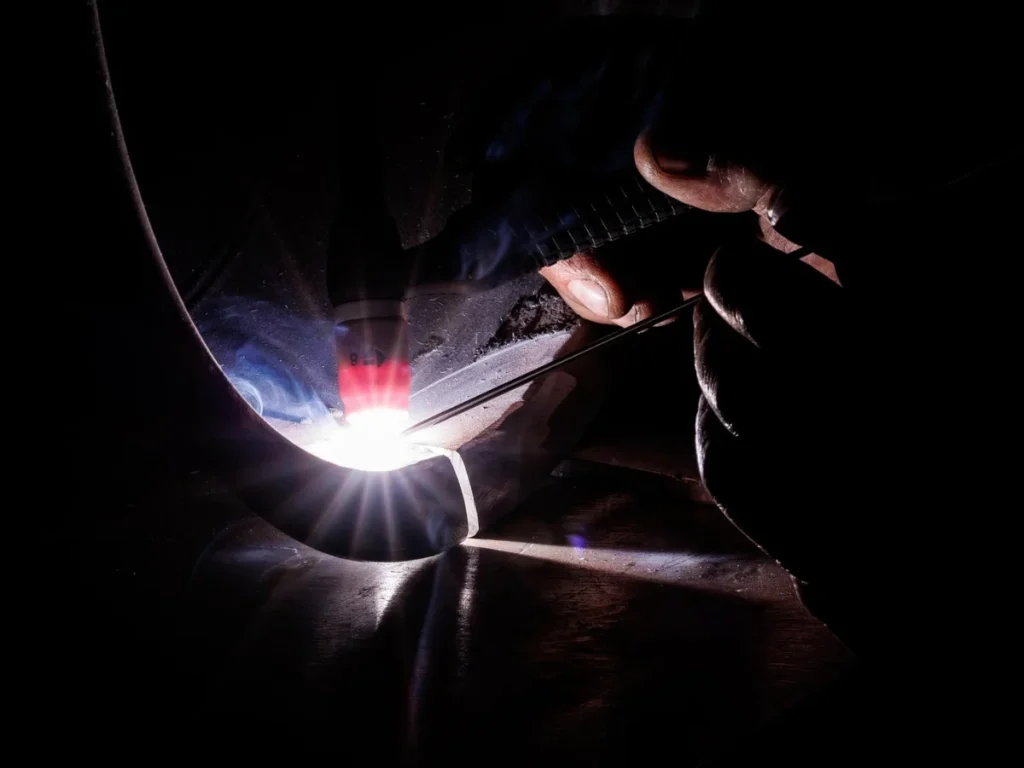
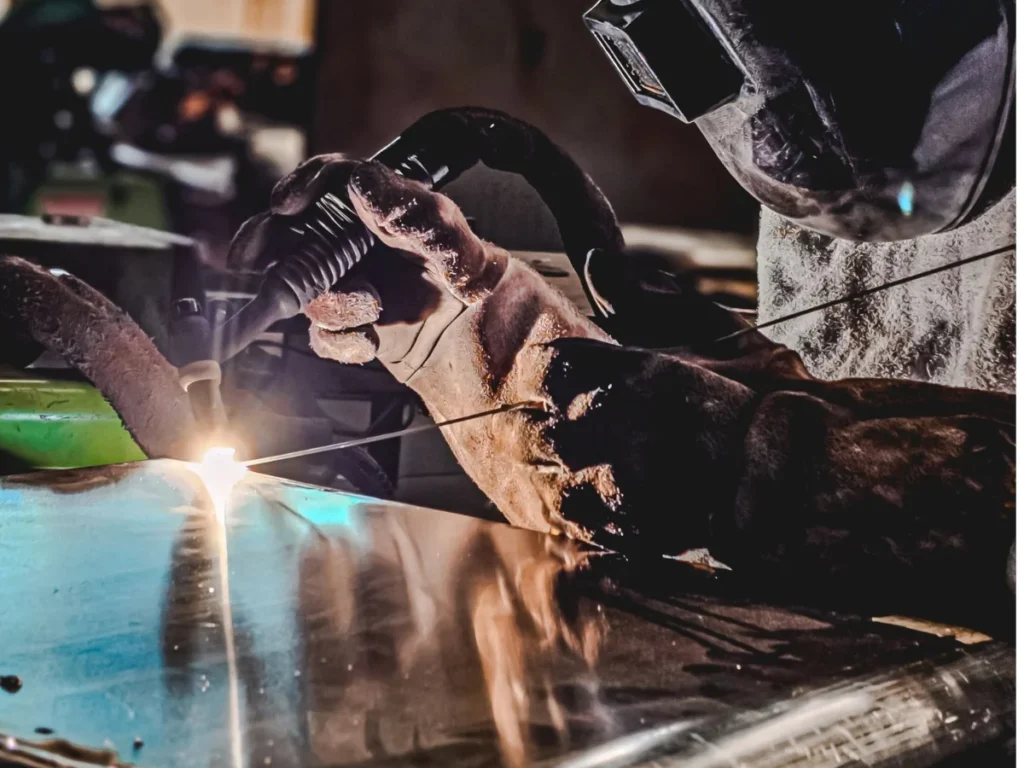
Hardfacing, often referred to as wear-resistant overlay or hard surfacing, is a metalworking process where a layer of high-hardness, wear-resistant alloy is deposited onto the surface of a metal component.
The core engineering logic behind hardfacing is simple and efficient: the base metal provides the structural strength and toughness needed to absorb heavy loads and impacts, while the hardfaced surface layer takes on the physical friction and severe abrasion. Instead of manufacturing an entire component out of expensive or brittle materials, hardfacing gives you the best of both worlds: maximum structural durability and exceptional surface wear protection.
Common Hardfacing Techniques
Depending on the workpiece shape, field conditions, and chosen materials, hardfacing can be applied through a variety of welding and thermal surfacing methods:
- Shielded Metal Arc Welding (SMAW): Commonly known as stick welding, this is one of the most versatile methods for on-site repairs and maintenance.
- Submerged Arc Welding (SAW): Highly efficient for depositing thick overlay layers on large, cylindrical, or flat industrial components.
- MIG / MAG Welding (GMAW & FCAW): Uses continuously fed solid or flux-cored wire, making it ideal for semi-automated or continuous hardfacing operations.
- Oxy-Acetylene Flame Hardfacing: A traditional thermal process excellent for precise temperature control on smaller parts or sharp edges.
- Laser Hardfacing: A high-precision welding method with low heat input, minimal distortion, and precise layer thickness control.
- Plasma Transferred Arc (PTA) Welding: Utilizes powder metal alloys to create smooth, dense, and exceptionally durable protective layers.
Typical Applications of Hardfacing
Because components in heavy industries face continuous physical degradation, hardfacing is widely used across multiple sectors to rebuild worn parts and protect new equipment, including:
- Mining & Quarrying: Crusher hammers, jaw plates, and excavator bucket teeth.
- Agriculture: Plowshares, cultivator sweeps, and harvesting blades.
- Steel Mills & Metal Processing: Hot rolling mill rolls, guide rolls, and heavy shear blades.
- Material Handling: Screw conveyor flights, mixer paddles, and industrial chutes.
- Valves & Tooling: Valve sealing surfaces, pump impellers, and metal forming dies.
Hardfacing Base Metals
Before applying any wear-resistant overlay, identifying the base metal of your component is the most critical first step. Not all metals respond to welding heat in the same way. A broad variety of industrial metals can be hardfaced successfully, provided you match the process to the material properties of the substrate. Common base metals include:
- Carbon and Low-Alloy Steels: These are the most common base metals for hardfacing. Medium-carbon and low-alloy steels offer a great balance of core strength and toughness, making them ideal structural substrates.
- Manganese Steel: Widely used in crushers, excavators, and heavy earthmoving equipment due to its ability to work-harden under impact.
- Stainless Steels: Both austenitic (300 series) and martensitic (400 series) stainless steels can be hardfaced when both corrosion resistance and wear protection are needed.
- Tool Steels and Cast Irons: Can be hardfaced, but they require strict temperature controls due to their high carbon content and brittle nature.
- Nickel-Based and Copper-Based Alloys: Suitable for specialized applications involving high temperatures or aggressive chemical environments.
Hardfacing Consumables
After identifying your base metal, selecting the right hardfacing consumable—the filler metal or overlay material applied to the component—is the next essential step. To make selection straightforward, hardfacing consumables are generally grouped into three main categories based on their material structure and protective mechanisms: Alloy-Based Materials, Carbide-Reinforced Materials, and Metals & Metal Matrix Composites (MMCs).
1. Alloy-Based Hardfacing Consumables
Alloy-based consumables rely on a metal alloy matrix, where specific alloying elements, microstructures, or precipitates deliver the required wear, heat, or corrosion resistance.
Fe-Based Alloys (Iron-Based): Fe-based alloys are the most economical and widely used consumables in general engineering, manufacturing, and structural repair.
- Low-Carbon Low-Alloy Steels: Offer superior mechanical toughness and crack resistance, making them ideal for heavy impact and shock loads.
- Martensitic Fe Alloys: Cost-effective options with a hard martensitic matrix that delivers excellent resistance against high-stress abrasion.
Ni-Based Alloys (Nickel-Based): Ni-based alloys excel in aggressive corrosive and high-temperature environments.
- Ni-Cr-B Alloys: Form hard borides (such as Ni3B and CrB) that resist severe abrasion and hot fluid erosion, often serving as buffer layers between mismatched metals.
- Ni-Mo-Si Laves Phase Alloys: Deliver outstanding resistance against metal-to-metal sliding wear, making them a top choice for valve seats and sealing surfaces.
Co-Based Alloys (Cobalt-Based / Stellite): Co-based alloys maintain their hardness, strength, and creep resistance under extreme operating temperatures up to 980°C.
- Key Features: Formulated with chromium, tungsten, and molybdenum to resist oxidation, hot corrosion, and galling.
- Crucial Tip: Because cobalt alloys develop thermal stresses, applying slow cooling rates or post-weld stress relief is essential to prevent cracking.
2. Carbide-Reinforced Hardfacing Consumables
Carbide-reinforced materials embed extremely hard carbide particles inside a metal alloy matrix, focusing specifically on fighting severe abrasive wear.
Tungsten Carbide (W Carbide) Alloys:
- Hard Phases: Contain large undissolved WC or W2C particles supported by a high-tungsten or Ni-Si-B matrix.
- Applications: Provide unmatched mineral abrasion resistance for heavy drilling, mining, aggregate processing, and earth-cutting tools.
- Heat Control: Welding heat input must be strictly managed; excessive heat dissolves tungsten carbide particles into softer composite carbides, directly impairing wear resistance.
Chromium Carbide Materials:
- Hard Phases: Utilize hard chromium carbides (such as Cr7C3 or Cr3C2) embedded in high-chromium iron matrices or composite coatings.
- Applications: Deliver high-temperature wear, oxidation, and corrosion resistance at a lower cost than tungsten carbide.
- Cross-Checking: Cooling typically produces fine hairline cracks across the weld bead, which safely relieves internal thermal stresses without weakening the bond.
3. Metals & Metal Matrix Composites (MMCs)
This category combines specialized non-ferrous metals and engineered composite structures for unique wear conditions.
- Copper-Based Materials (Bronze & Brass): Highly effective against sliding friction, commonly used to hardface or overlay bearing surfaces, bushings, and wear plates.
- Metal Matrix Composites (MMCs): Blend a ductile metal matrix with hard ceramic or carbide particles. This composite design provides an excellent balance of toughness and severe wear resistance, preventing premature spalling under mechanical shock.
Partner with MCT for High-Performance Hardfacing Solutions
At MCT, we specialize in delivering high-performance hardfacing products and technical services engineered for severe industrial wear environments. Our product offerings highlight premium tungsten carbide grits, specially produced to provide maximum resistance against extreme abrasion, impact, and sliding friction. In addition, MCT provides professional hardfacing overlay services customized to your specific operating conditions. Ready to boost component durability and reduce overall maintenance expenses? Contact MCT today to discuss your hardfacing requirements or request a quote for our premium carbide grits!