Winter road maintenance relies heavily on de-icing chemicals, liquid brine, and abrasive sand mixtures to keep highways open. While these agents melt ice, they create a highly corrosive and abrasive slurry that destroys cutting edges. Today, we are going to dive into why carbide snow plow blades excel in harsh road conditions and how protective hardfacing overlays combat chemical and grit erosion.
The Harsh Reality of Salt and Slurry Erosion
During continuous road maintenance, snow plow blades do not just touch soft snow. They continuously scrape through a slurry made of crushed rock, coarse sand, calcium chloride, and road salt.
This combination attacks cutting edges in two ways:
- Physical Abrasion: Sand and gravel act like a high-speed grinder, scrubbing away the steel carrier holding your carbide inserts.
- Chemical Corrosion: Road salt and liquid brine penetrate micro-cracks in the steel, accelerating rust and weakening the metal matrix surrounding the carbide.
Standard carbon steel blades corrode and wear down rapidly under these conditions, losing their cutting profile within a few storm shifts.
How Carbide Inserts Resist Extreme Road Wear
Tungsten carbide inserts provide the ultimate defense against road wear. Because tungsten carbide is chemically stable and extremely hard, it offers unique advantages in salt-heavy environments:
- Immunity to Chemical Rust: Unlike carbon steel, tungsten carbide does not rust or degrade when exposed to harsh de-icing chemicals and road brine.
- Retention of Cutting Edge: The extreme hardness of carbide resists coarse sand friction, allowing the edge to cut clean down to bare pavement without rounding off.
Double Protection: Adding Hardfacing Overlays for Chemical & Abrasion Resistance
While tungsten carbide inserts resist corrosion, the soft steel body holding them remains vulnerable to salt slurry erosion. If salt water eats away the steel housing, carbide inserts lose their seat and drop out on the road.
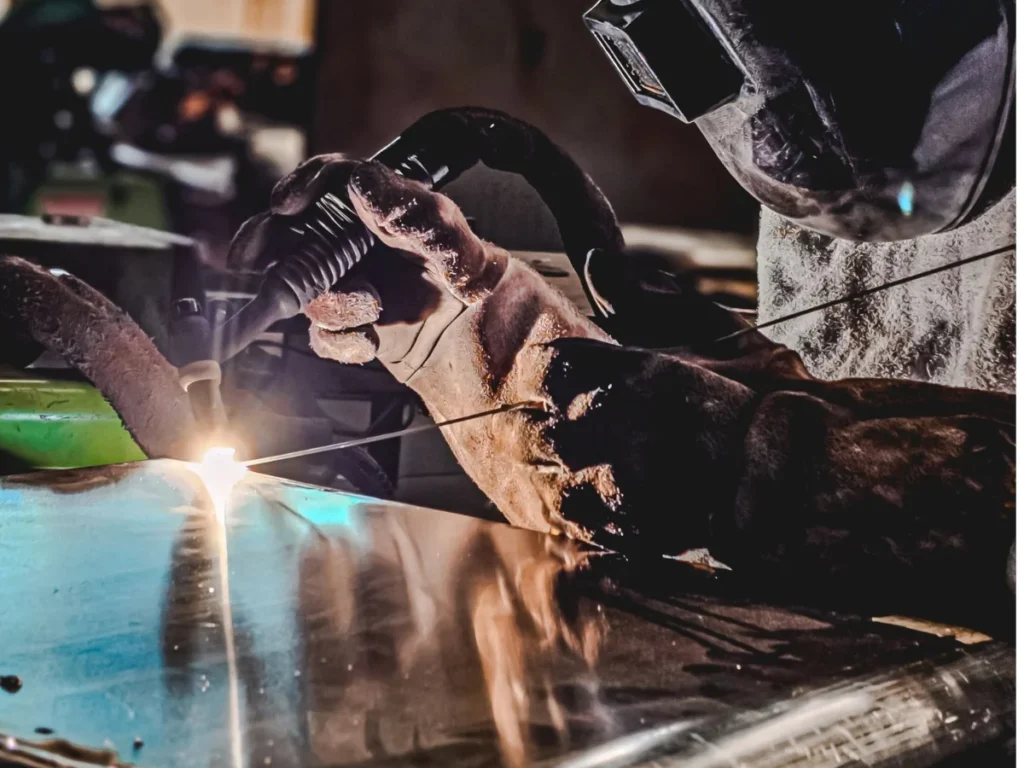
Applying specialized hardfacing overlays along the steel face solves this problem:
- Dual Barrier Protection: High-chrome and tungsten carbide hardfacing alloys resist both heavy abrasive friction and chemical oxidation from road salt.
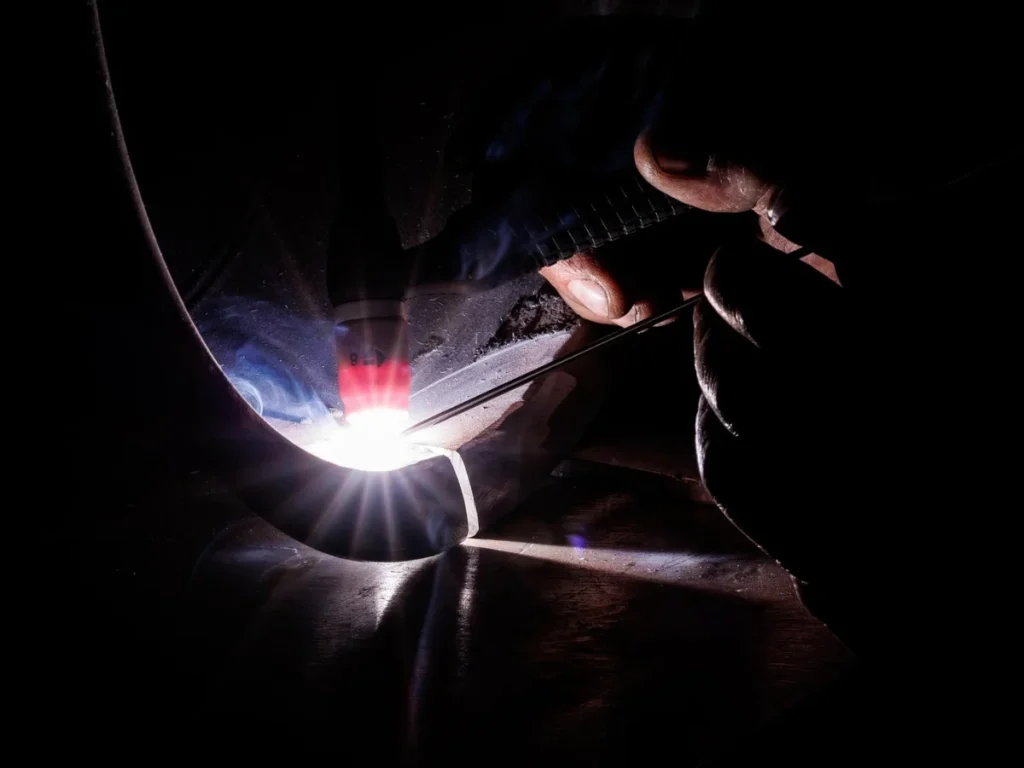
- Sealing Structural Pockets: Hardfacing weld overlays seal the joint where carbide inserts fit into the steel body, preventing salt brine from seeping inside and weakening the brazed bond.
Combining carbide inserts with hardfacing overlays provides a double-layer defense system that handles both abrasive friction and chemical corrosion.
Equipping your winter fleet with carbide blades and protective hardfacing layers ensures reliable road clearing through the most severe winter conditions.
At MCT, we manufacture high-performance carbide snow plow blades and supply specialized hardfacing materials designed to withstand chemical brine and harsh road grit. Contact our team today to get product specs and a customized quotation for your fleet!