Wear parts are crucial components of large machinery, making their service life absolutely vital. Thanks to a widely used technology called hardfacing, we can significantly improve the durability and lifespan of these wear-resistant parts. But what is hardfacing, and what is hardfacing in welding specifically? Let’s explore this technology together today—just read on!
What Is Hardfacing?
(Photo By: Marcello Sokal on Pexels.com)
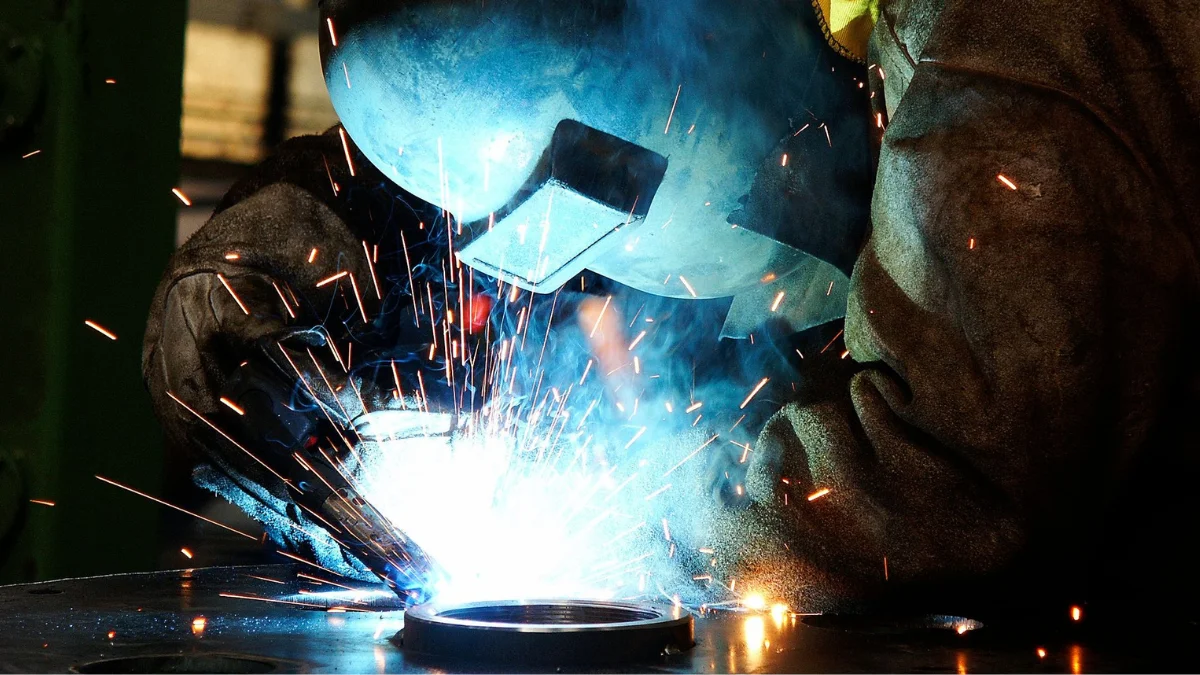
Hardfacing, also called hard surfacing, is a practical metalworking process where a tougher, wear-resistant alloy is deposited onto the surface of a base metal component. Unlike standard surface coatings or external covers that merely stick to the outside, hardfacing uses thermal deposition, mostly welding, to melt the surface layer of the base metal. This fuses the protective filler alloy directly with the parent material, forming a dense, highly bonded shield that is typically 1 to 10 mm thick.
In heavy equipment maintenance, hardfacing mainly plays two roles:
- Armoring New Components: Applying hardfacing to brand-new parts provides extra defense against severe abrasion, high impact, and extreme heat before they enter harsh working environments.
- Rebuilding Worn Equipment: For parts already damaged or worn down from heavy daily use, hardfacing can build the worn areas back to their original size and shape.
Thanks to this versatility, hardfacing allows machinery to handle demanding jobs with far fewer breakdowns, significantly extending service life while saving substantial replacement costs.
How Is Hardfacing Done?
Applying hardfacing to a workpiece follows a structured process similar to standard welding, but focuses on protecting large surface areas rather than joining two separate parts. The standard procedure includes four essential steps, along with strategic weld patterns.
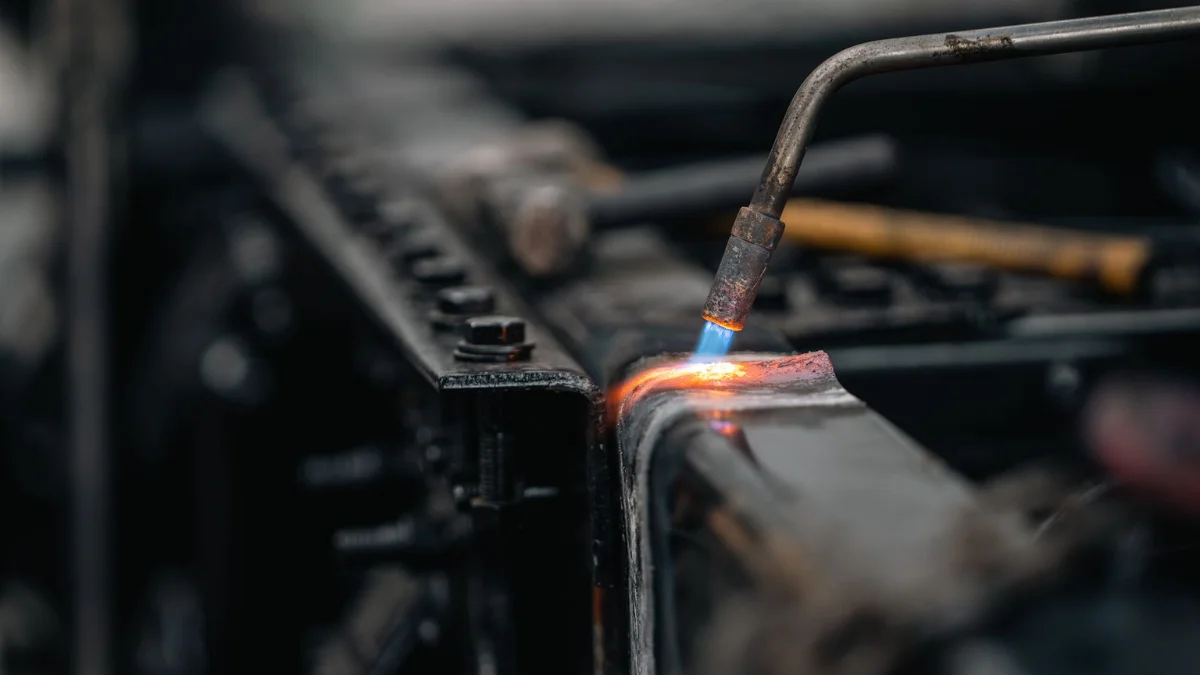
(Photo By: Mario Spencer on Pexels.com)
Step 1: Thorough Surface Cleaning
Before applying any heat, the metal surface must be completely free of oil, grease, rust, paint, and chemicals. Any remaining contaminants can cause structural defects like cracking or weak bonding during the welding process.
Step 2: Base Reconstruction (Build-Up)
If you are repairing a heavily worn component, deep gouges or cracks must be filled first. Reconstructing the component back to its original shape creates a smooth, level base for the hardfacing alloy. (Note: Brand-new components can skip this step.)
Step 3: Applying a Buffer Layer (Buttering)
When the base metal and the hardfacing filler alloy have very different chemical properties, welding them directly together can create high internal stress. Depositing a thin intermediary buffer layer acts as a flexible bridge, ensuring a strong bond and preventing cracks.
Step 4: Hardfacing Deposition
Finally, the protective hardfacing alloy is welded directly onto the prepared surface. Depending on the operating conditions, technicians usually apply one to three layers of the wear-resistant material.
Smart Hardfacing Patterns
Fully coating a large component is not always necessary. By using specific weld patterns, you can save significant time and material while achieving excellent protection:
- Dot Pattern: Evenly spaced weld dots allow smaller rocks and sand to settle into the gaps. This trapped material forms a soft “dead bed” that absorbs heavy impacts from larger debris.
- Stringer Pattern: Long, straight weld beads run parallel to the direction of material movement. This prevents flowing materials from catching on the weld edges and tearing the surface.
- Waffle Pattern: Intersecting weld beads form a grid pattern with square pockets. Like the dot pattern, these pockets trap fine particles, creating a natural protective barrier against severe abrasion.
Why Choose Hardfacing?
Why do we choose hardfacing as a crucial maintenance technique for heavy equipment? We’ve touched on its protective abilities above. Now, let’s break down the primary reasons why industries rely on this method.
Extended Component Lifespan
By depositing a high-hardness alloy onto high-wear areas, hardfacing helps parts withstand severe friction, abrasion, and heavy impacts. As a result, the working life of heavy machinery components can be extended by up to 300%.
Significant Cost Savings
Replacing large, worn-out machinery parts with brand-new ones gets very expensive. Thanks to hardfacing, you can either reinforce new parts to make them last much longer or rebuild worn components at a fraction of the price, cutting overall replacement expenses by 25% to 75%.
Minimizing Operational Downtime
When key equipment breaks down, waiting weeks for special replacement parts to arrive can completely freeze jobsite operations. Hardfacing allows technicians to restore functional geometry on-site, drastically reducing idle time and eliminating the need to keep huge, costly spare-part inventories in stock.
Tailored & Sustained Performance
Different jobs present different challenges, from fine sand erosion to heavy rock collisions. Hardfacing materials can be customized with specific alloy formulas to match exact operating conditions. This keeps your machinery components maintaining their optimal shape, power, and operating efficiency over long service intervals.
Materials Used In Hardfacing
Choosing the right hardfacing material depends entirely on the specific working conditions of your equipment, such as whether the component faces friction, heavy impact, high temperatures, or chemical corrosion. Here are the most common material categories used in industrial hardfacing.
Carbides (Tungsten & Chromium Carbide)
Carbides offer the highest level of hardness and wear resistance available. Tungsten carbide is ideal for extreme abrasion in heavy-duty applications like drilling and mining, while chromium carbide performs exceptionally well under high temperatures and corrosive environments.
Iron-Based Alloys
Iron-based materials are the most economical and widely used hardfacing alloys. They provide a balanced combination of wear resistance and impact strength, making them perfect for general machinery repair and everyday maintenance.
Cobalt and Nickel-Based Alloys
When parts operate under extreme heat or harsh chemical exposure, cobalt-based alloys (such as Stellite) and nickel-based alloys are the go-to choices. Cobalt alloys retain their full structural hardness even at elevated temperatures, whereas nickel alloys excel at resisting oxidation and severe corrosion.
Copper Alloys & Metal Matrix Composites (MMCs)
For components subjected to constant sliding friction, copper-based alloys like bronze and brass are commonly applied to protect bushings and bearing surfaces. Meanwhile, Metal Matrix Composites (MMCs) blend a tough metal base with ultra-hard carbide particles, delivering a specialized balance of toughness and abrasion resistance.
Hardfacing Techniques
There are several methods for executing hardfacing on metal components. Choosing the right technique depends on equipment availability, part geometry, required coating thickness, and how sensitive the base material is to heat deformation.
Arc Welding Overlay (GMAW, SMAW, FCAW, SAW)
Arc welding processes, such as Gas Metal Arc Welding (GMAW), Shielded Metal Arc Welding (SMAW), and Flux-Cored Arc Welding (FCAW), are the most common and versatile ways to hardface. These methods allow technicians to rapidly deposit thick, highly durable layers of filler alloy. They are ideal for both on-site field repairs and workshop refurbishments.
Thermal Spraying (HVOF & Plasma Spraying)
Thermal spraying melts or softens hardfacing alloys and propels them onto the component surface at high velocities. Since the base metal receives very little direct heat during application, thermal spraying dramatically reduces the risk of warping or structural distortion. It is perfect for thin, uniform surface protection on heat-sensitive parts.
Laser Cladding
Laser cladding uses a highly focused laser beam to melt hardfacing materials onto the substrate. This method provides ultimate precision, extremely low dilution between the base metal and the coating, and minimal heat-affected zones. It is usually chosen for high-value components requiring superior surface finishes and strict dimensional tolerances.
Plasma Transferred Arc (PTA) Welding
PTA welding utilizes a high-density plasma arc to melt wear-resistant alloy powders onto the component. It offers precise heat control and produces thick, dense coatings with virtually no internal porosity and exceptional metallurgical bonding strength.
Applications Of Hardfacing
Hardfacing is widely applied across heavy industries where machinery components routinely face high friction, severe impact, and harsh environmental conditions. Here is how different sectors utilize this protective technique:
Construction & Earthmoving
Heavy equipment like excavator buckets, bulldozer blades, loader teeth, and road milling drum components are in constant contact with sand, rock, and concrete. Hardfacing these wear-prone areas reinforces their structural strength and prevents the tools from losing their original shape and cutting performance.
Mining & Quarrying
Mining machinery deals with some of the most punishing environments imaginable. Crusher jaws, pulverizing hammers, drill bits, and bucket lips are continuously slammed by hard ores and rocks. Hardfacing shields these impact zones, restoring functionality to worn components before they require full replacement.
Agriculture & Farming
Abrasive soil, small rocks, and tough crop fibers can rapidly erode agricultural tools. Farming implements such as plowshares, tiller teeth, harvester blades, and sugarcane crushing rollers receive hardfacing to retain their sharp edges and operate efficiently throughout demanding harvest seasons.
Oil, Gas & Industrial Manufacturing
In oil and gas exploration, downhole drill bits, pump impellers, and control valves must endure heavy abrasion combined with chemical corrosion. Similarly, manufacturing tools and forming dies are hardfaced to resist wear under high heat and pressure, ensuring they maintain strict dimensional accuracy for long-term production.
Get Reliable Hardfacing Solutions With MCT
Looking to boost the lifespan of your heavy machinery and cut down on costly downtime? At MCT, we specialize in providing premium-grade carbide grits designed to deliver maximum wear and abrasion resistance for your industrial equipment.
In addition to supplying high-performance hardfacing materials, we also offer professional hardfacing services. Utilizing efficient MIG welding technology, our skilled team can apply durable, wear-resistant overlays directly to your components to restore or armor them against severe working conditions.
Feel free to contact our team today to get a quote or discuss the best hardfacing solution for your specific application!